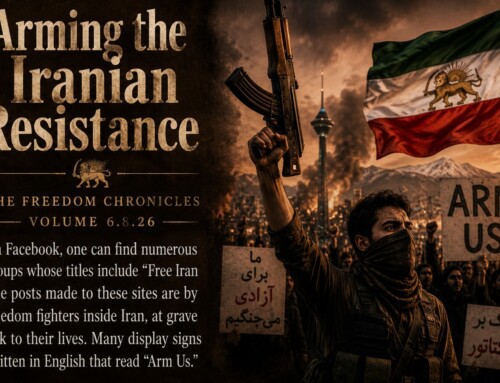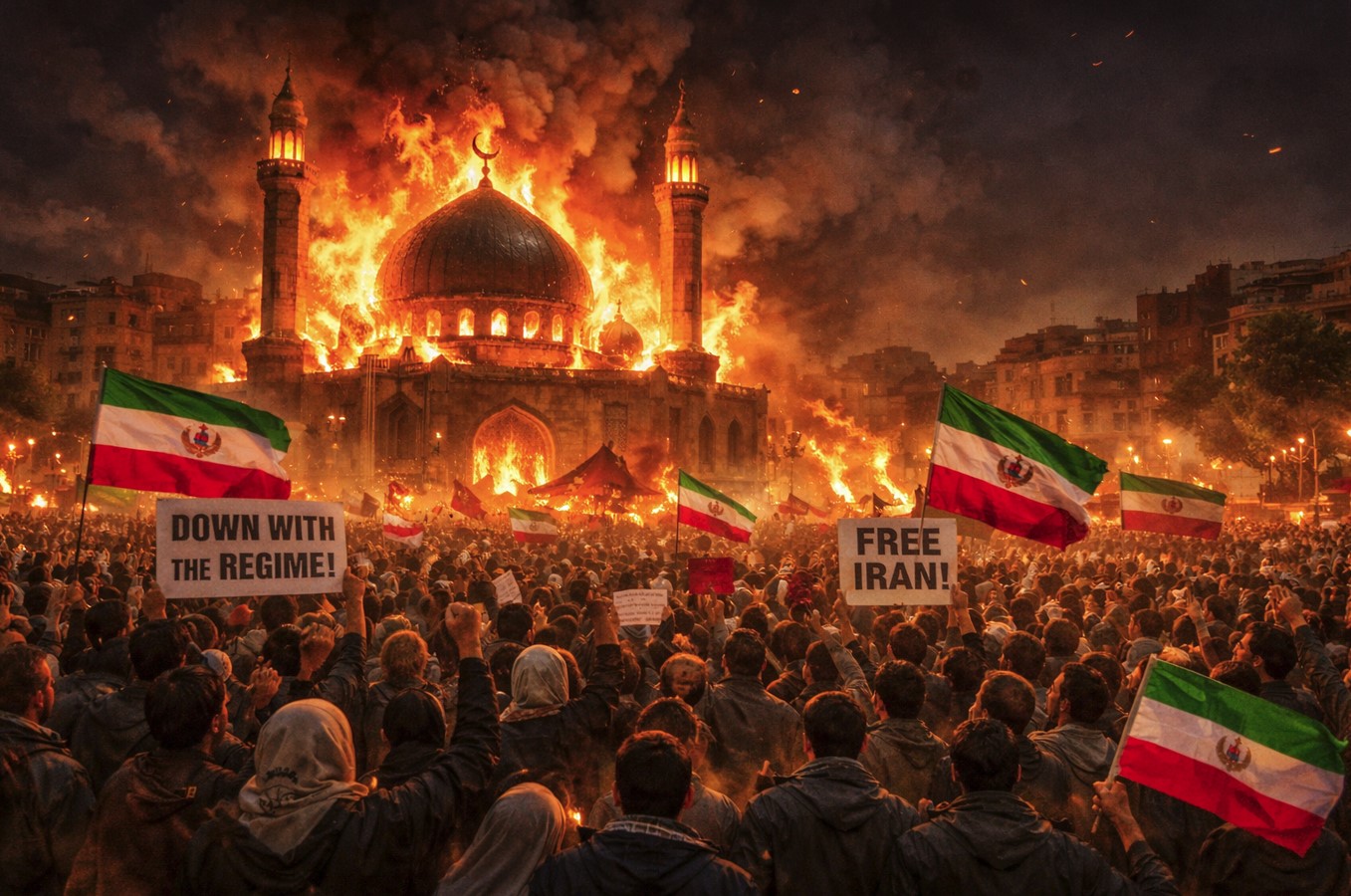
As massive crowds of demonstrators fill the streets of Iranian cities, among the buildings on fire are mosques. Why?
In my book, Lessons from Fallen Civilizations, I detail how Persia, the Middle East, and North Africa became Muslim lands. They fell due to brutal conquest.
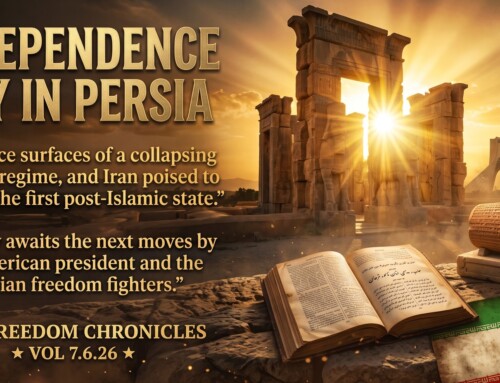
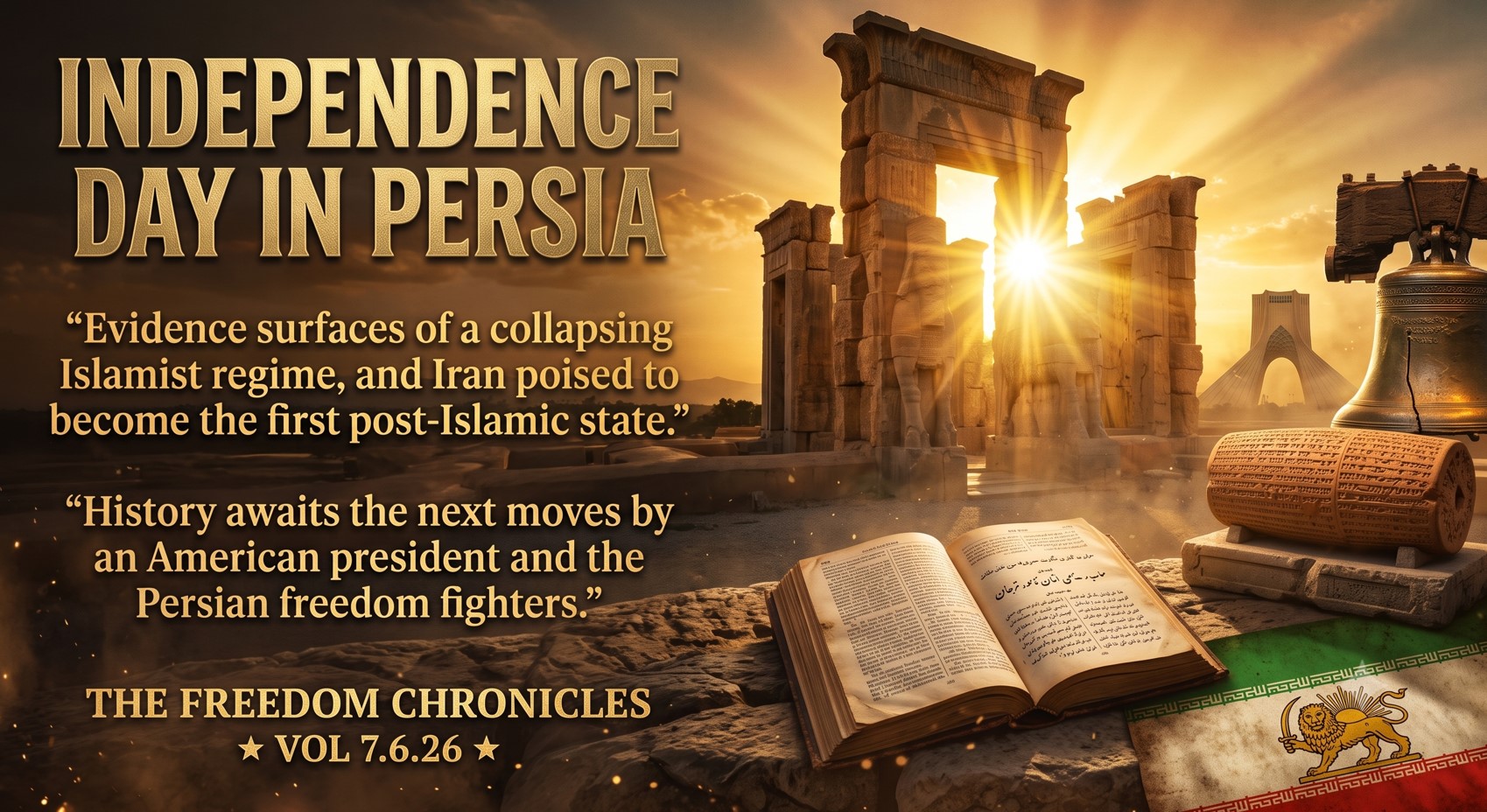
The Persian Sasanian Empire, which ruled the lands of today’s Iran and Mesopotamia, fell to the armies of Allah between the years 633 and 651 AD. Like the Christian monasteries all over the Middle East, Zoroastrian temples, shrines, and libraries in Persia were destroyed, and their priests and surviving defenders, murdered or enslaved. Those who remained in Persia were forced to convert to Islam. Many fled to India, where they created communities in exile.
Zoroaster lived from 624 to 547 BC. His teachings had been observed by the Persians for one thousand years before the armies of Allah emerged from the desert, like ghosts from a sandstorm. Zoroastrianism is the first monotheistic faith to advance the concepts of individual responsibility for salvation, judgment after death, and a messiah. It is still practiced in small enclaves around the world.
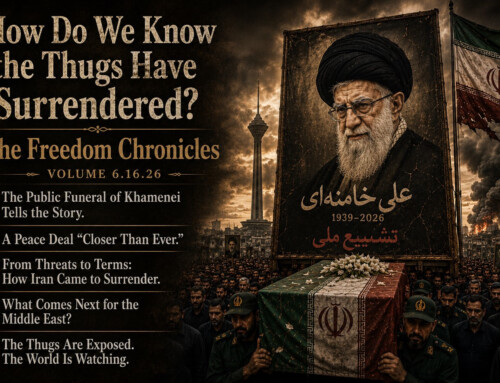
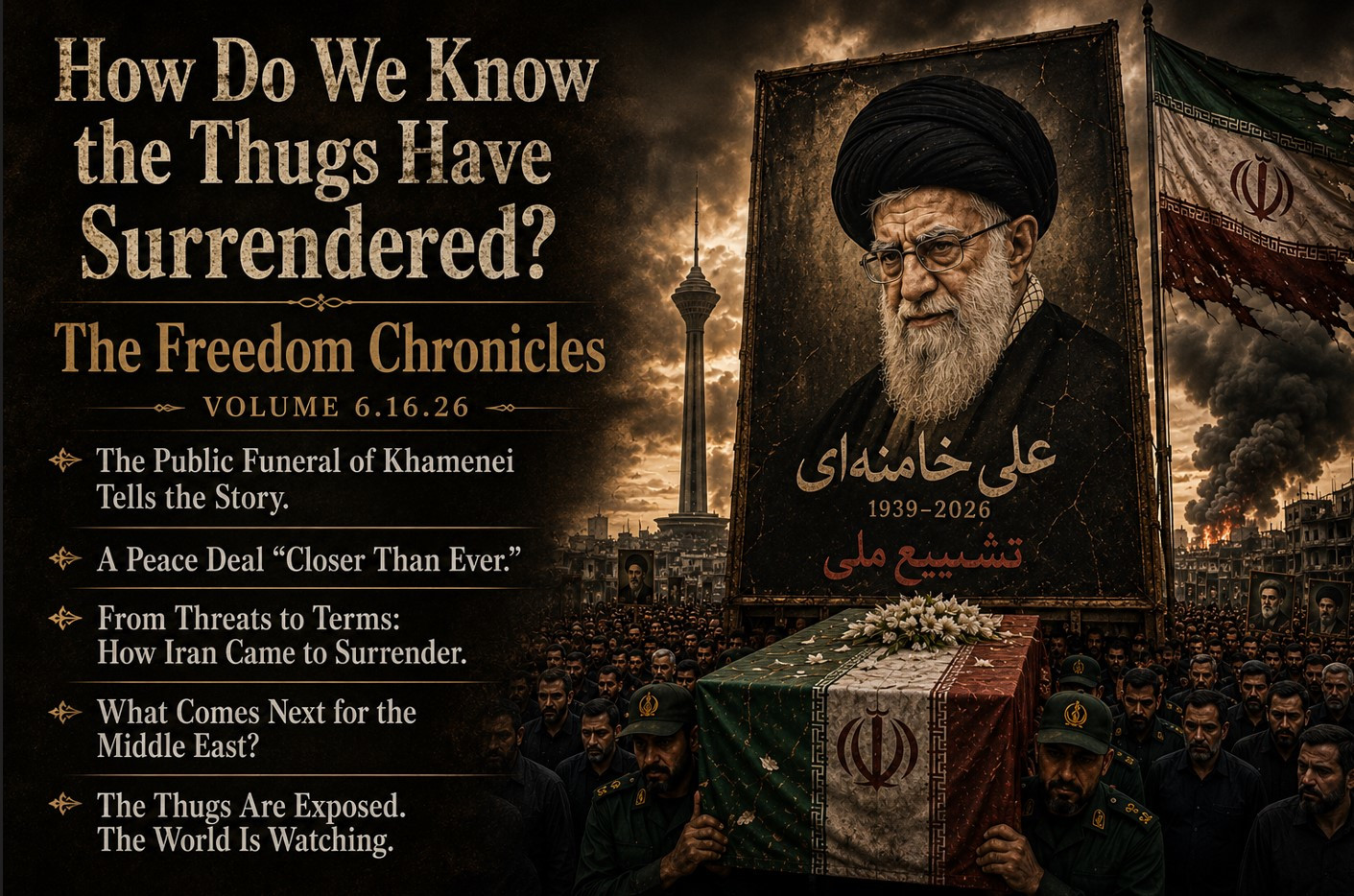
Iran’s most recent diplomatic moves, such as sending its ambassador to its staunch ally, Lebanon, are designed to show that the Mullahs believe everything will return to normal. So far, it is not calling for assistance from Russia or China, as it is trying to show that the regime is not panicking.
But there are reports that their home guard, the Islamic Revolutionary Guard, IRGC, is beginning to not show up for work. This could signal that the end is near.
There is an important reason that the mosques have stood empty for decades and are now being set on fire by the demonstrators. The Persians know their history. They know that Islam and their theocratic overlords are an alien culture, imposed by ruthless seventh-century killers and no longer tolerable by the Persian people.