The Freedom Chronicles
03.22.2026
On April 12, 1945, the day Eisenhauer’s Allied Forces liberated Buchenwald, a man who walked out of the German camp under his own power was asked by a reporter what he had learned from the experience. The survivor replied, “When someone says he wants to kill you, believe him.”
Born four years later, in 1949, I attended grammar school in the 1950s, during the height of the Cold War, during a time when nuclear war seemed inevitable, when families constructed bomb shelters, a time when our teachers instructed us to kneel under our desks during air raid drills and to clasp our hands over our eyes and necks in the event the shattered windows came flying into our classrooms.
In October of 1962, I was 13 years old during the Cuban Missile Crisis and will never forget my parents speaking to each other at our breakfast table in hushed tones, hoping not to betray to my little brother and me their mounting horror.
For the next 21 years, I became an intense observer of the national and global security landscape and was overjoyed when Ronald Regan, in 1983, announced America’s commitment to the Strategic Defense Initiative.
While the plan was mocked by Reagan’s political opponents as infantile and preposterous, as “Star Wars” they dubbed it, I instantly knew the country could build and would build a defense against nuclear missile attack. Not only did I believe it, but so did the men in the Kremlin believe it.
The Soviet Union collapsed in December 1991. A few years later, Mickael Gorbachev, the last General Secretary, admitted in his memoirs that America’s ability to simply begin the work on an intercontinental missile defense system was the last nail in the coffin of his dying empire.
Today, the nuclear threat mantle of the old Soviet Union has been taken up by Communist China and its allies. The China threat today, measured by any metric, is far greater than that of the Soviet Union. Yet over the past two weeks, since the outbreak of war against Iran, the very nature of warfare has changed.
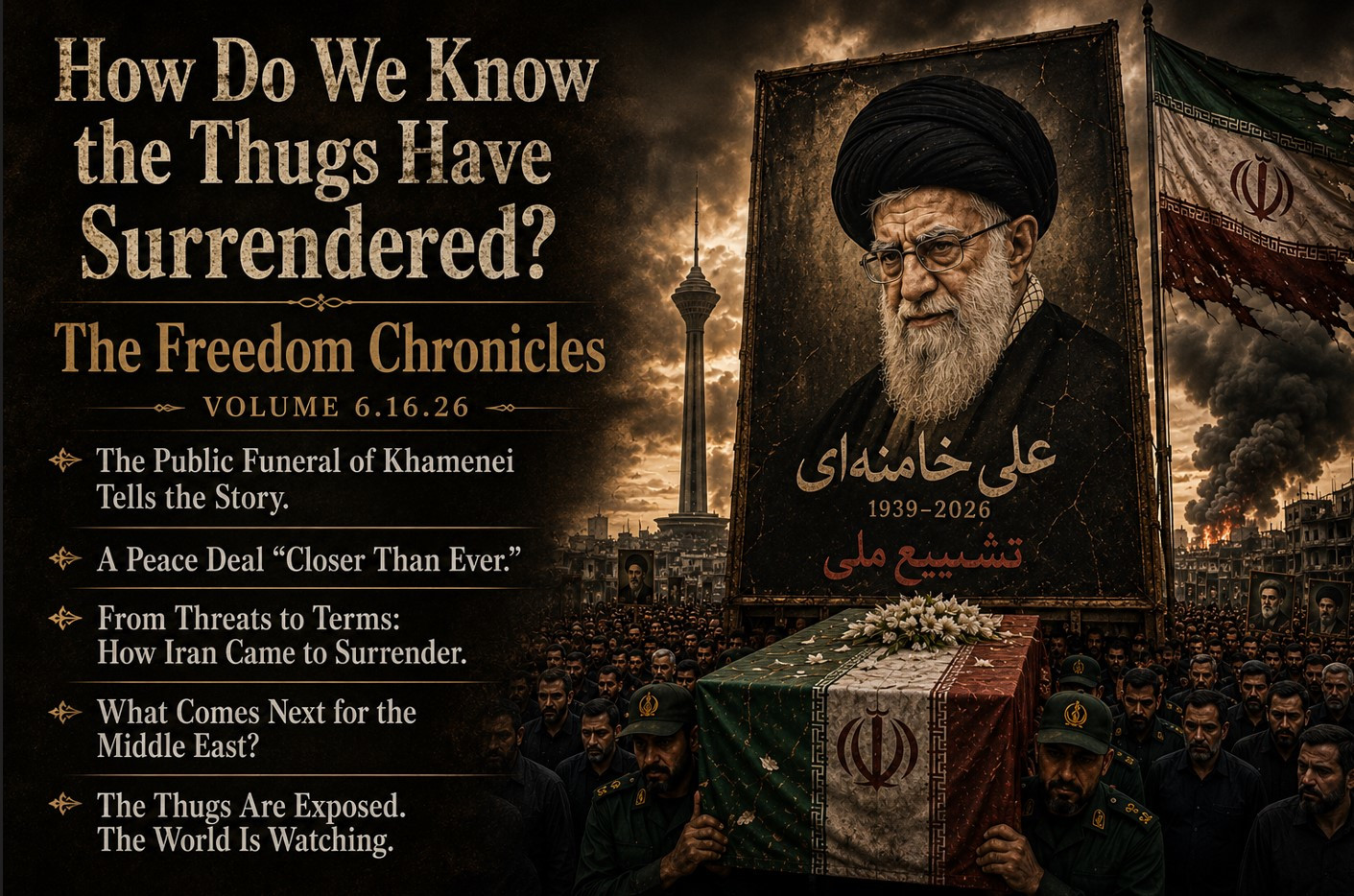
On February 28, the first day of the war against the Iranian regime, U.S.-Israeli missiles killed its Supreme Leader, Khamenei, and 47 of his other top military and intelligence officials. Israeli Defense Minister, Israel Katz, vowed to eliminate “Every Leader appointed by the Iranian terror regime, It does not matter what his name is or the place where he hides.”
As the success of these and the ongoing precision strikes against Iranian leaders is absorbed by readers of Western media as well as the leaders of Chairman Xi’s CCP, there is a coming realization that the rules of warfare have drastically changed. Although Iran’s top leaders commanded roughly one million men in arms with its army and in their Iranian Revolutionary Guard Corps, they were the very first casualties of this war.
No other time in the history of human conflict has a war begun like this, with the senior-most commanders on one side dying first. The success of the precision strikes depended not only on who was targeted but also on how the United States and Israel gathered the exquisitely accurate intelligence about Iranian leaders’ locations. The crucial element was our agents around these officials, providing heroic real-time information to the CIA and Mossad, instantly transferred to Israeli and American fighter jets in flight, which then delivered the pinpoint targets for elimination.
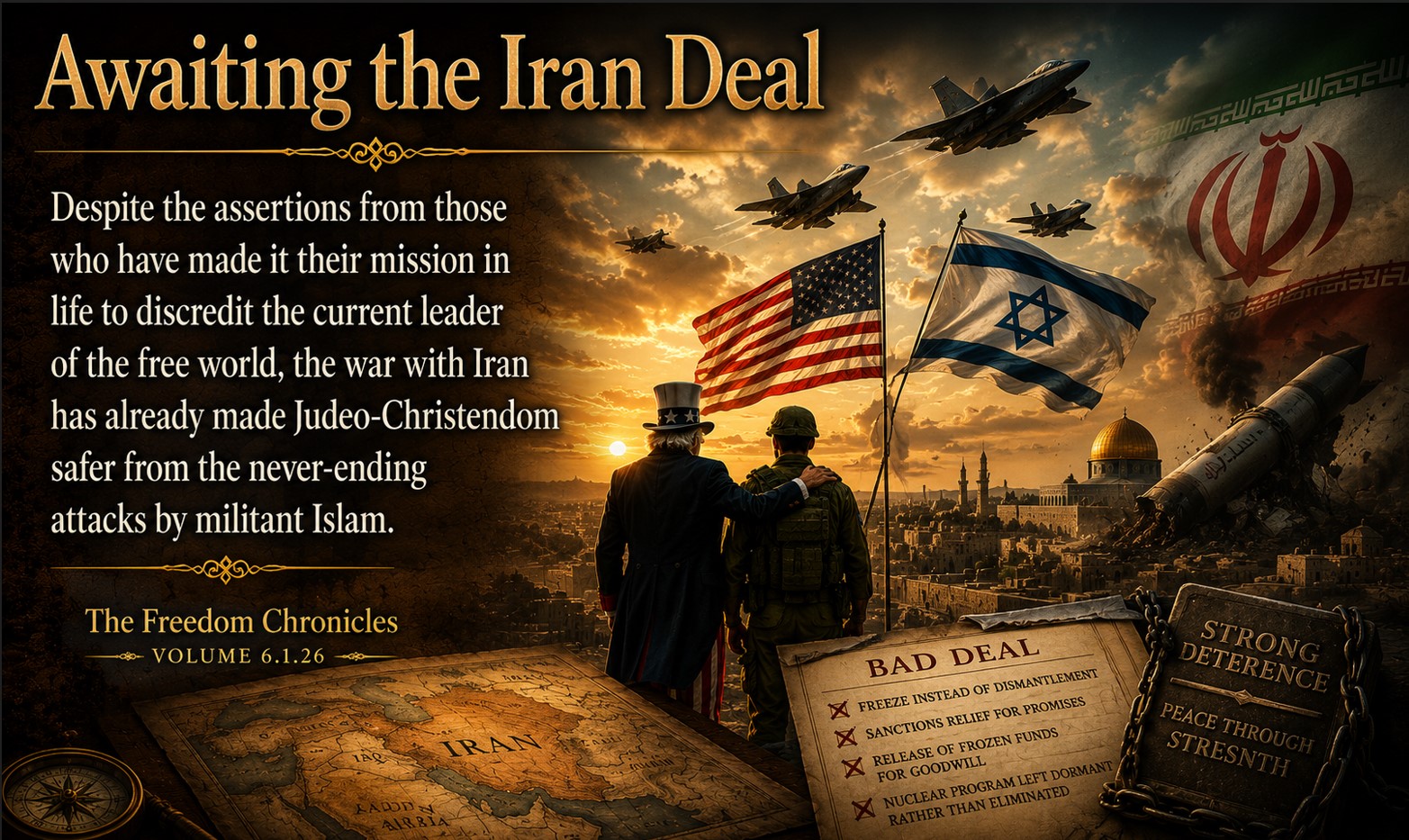
The members of the media and government who question Trump’s decision to destroy the Iranian regime and its nuclear weapons program because they said, “it posed no imminent threat,” are doomed to take their ignominious places beside Neville Chamberlain as his ideological offspring.
(to be continued)

We are living in remarkable times. Top down.